
Imported tungsten carbide alloy micro-engraving bits for PCB and hardware processing, available in miniature diameters from 0.10mm to 2.00mm with high wear resistance and fracture resistance properties.


Imported tungsten carbide alloy micro-engraving bits for PCB and hardware processing, available in miniature diameters from 0.10mm to 2.00mm with high wear resistance and fracture resistance properties.
Imported Tungsten Carbide Micro-Engraving Bits for PCB and Hardware Processing from 0.10mm

For professionals in electronics manufacturing, mould making, and precision engineering, having reliable micro-cutting tools is essential. These imported tungsten carbide micro-engraving bits are constructed from cemented carbide, often referred to as tungsten steel, a material selected for its inherent properties of high hardness and strength. This makes them suitable for detailed work on a variety of materials commonly found in the circuit board (PCB), electronics, Surface Mount Technology (SMT), die, and communications hardware industries. The range offers a complete set of specifications, with diameters starting at an ultra-fine 0.10mm and increasing up to 2.00mm, allowing users to match the tool precisely to the scale and detail of their engraving or milling task.
Features and Construction
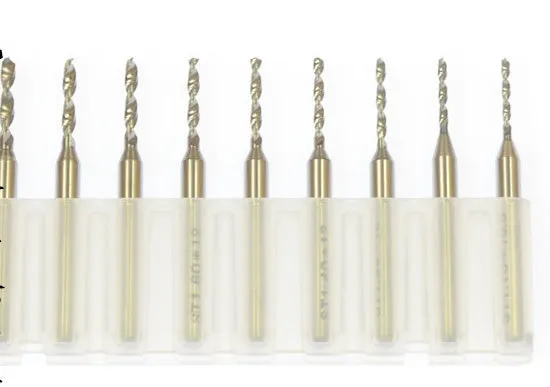
The core value of these bits lies in their material composition and the resulting functional benefits for precision machining. They are not general-purpose tools but are aimed at applications where minute detail and material integrity are paramount.
Material and Build
The bits are fabricated from imported cemented carbide, a composite material known commercially as tungsten steel. This choice of material directly supports the stated benefits of high hardness, which helps the cutting edge maintain its sharpness, and high wear resistance, which contributes to a longer operational lifespan before replacement is needed. Furthermore, the material offers high strength with specific resistance to bending and fracture, crucial attributes when applying pressure during delicate engraving work on hard alloys or dense substrates.
Size and Practical Fit
A key practical advantage is the extensive range of available diameters. The listing includes miniature bits in increments from 0.10mm, 0.15mm, 0.20mm, and so on, up to 2.00mm. This allows for great flexibility in application, from creating extremely fine traces on a circuit board to slightly broader engraving lines on hardware components. The availability of specific sets, such as those containing ten bits of diameters like 0.10mm, 0.30mm, and 1.1mm, indicates they can be supplied for both individual replacement needs and as curated collections for common job types.
Uses and Placement
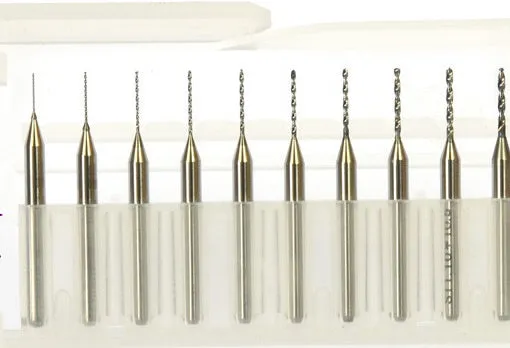
The application areas are clearly defined by the source text, pointing towards industrial and manufacturing contexts rather than hobbyist use. This specificity helps in selecting the right tool for professional-grade results.
Event or Professional Use
These bits are designed for professional and industrial environments. Their stated applicability covers circuit board fabrication, general electronics assembly, SMT (Surface Mount Technology) component placement and modification, die and mould engraving for manufacturing, and the processing of hardware and communications equipment. This makes them a fit for workshops, production lines, and repair facilities where precision machining of metals and hard composites is a daily requirement.
Everyday Home Use
Given the specified industrial applications, material properties, and micron-level sizing, these bits are not typically suited for everyday home DIY projects. Their use case is specialised, aligning with technical trades, prototyping labs, and electronic manufacturing service providers where equipment capable of handling such precise tools is standard.
Benefits and Buying Value
The value proposition stems from the combination of durable material, precision sizing, and targeted application suitability, which together aim to reduce downtime and improve result consistency.
Reuse and Low Maintenance
The high wear resistance of the tungsten carbide material is a primary factor in extending the usable life of each bit. By resisting degradation from friction and heat during cutting, the bit can perform consistently over more cycles, reducing the frequency of changeovers and the cost per job. Their resistance to bending and fracture also means they are less likely to fail catastrophically during a critical operation, which can save both time and material.
Why Choose This Product
Choosing these bits comes down to needing a tool that matches a specific, technical requirement. The decision is supported by the imported cemented carbide build for durability, the wide spectrum of diameter options for task-specific matching, and the clear guidance on their use in PCB, electronics, and hardware processing. For a buyer in these fields, the value lies in securing a reliable, specification-matched consumable tool that aligns with their professional workflow and material challenges.