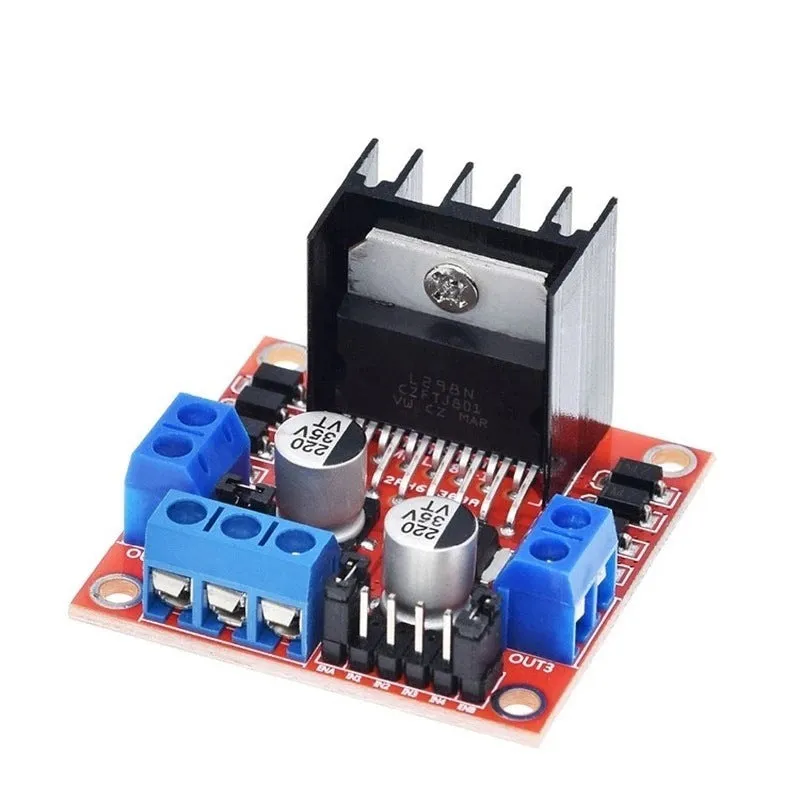
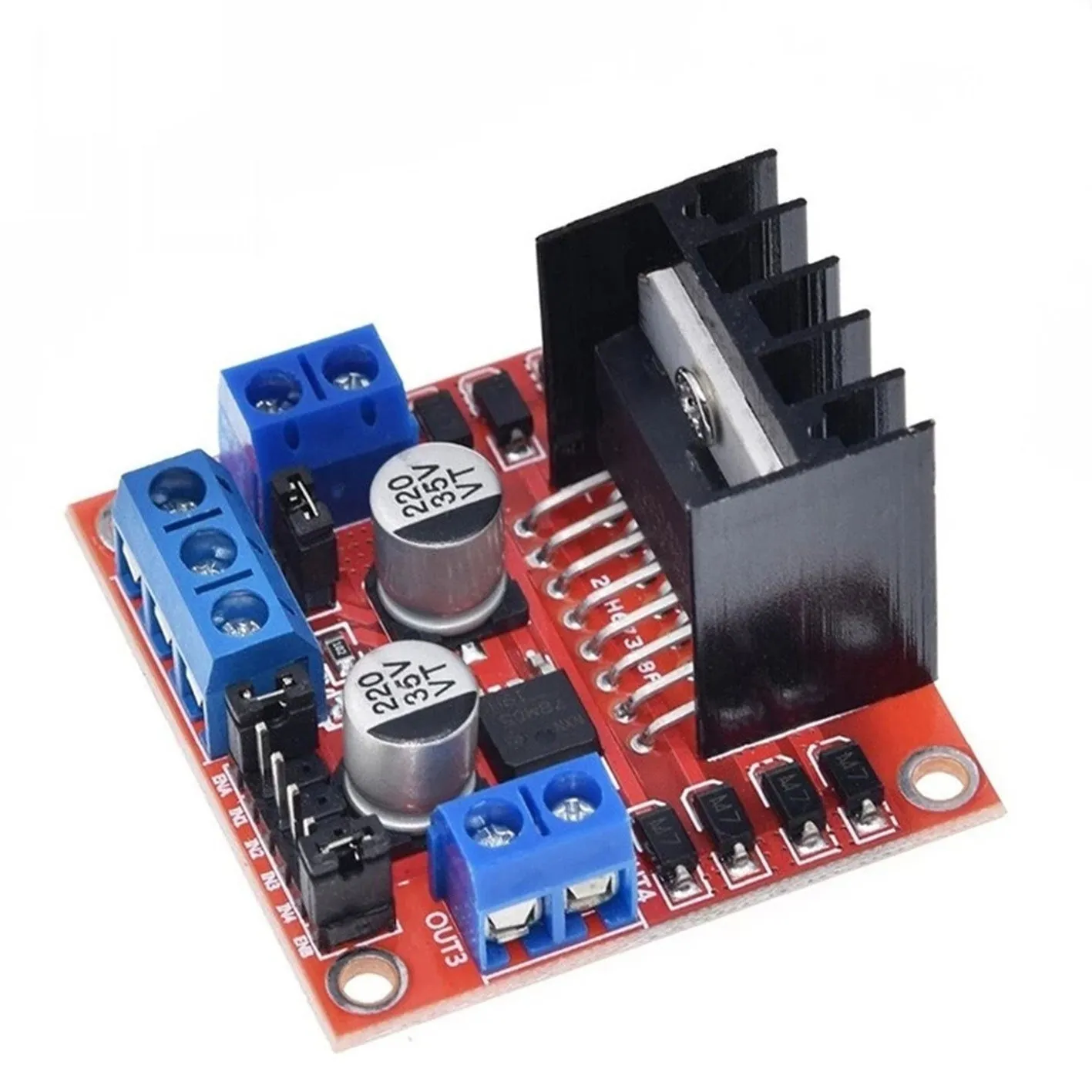
L298N Motor Driver Module DC Stepper Motor Control Board H-Bridge Dual Channel for DIY Robot Intelligent Vehicle Arduino Raspberry Pi Electronics Project 5V-35V Input 2A Output


L298N Motor Driver Module DC Stepper Motor Control Board H-Bridge Dual Channel for DIY Robot Intelligent Vehicle Arduino Raspberry Pi Electronics Project 5V-35V Input 2A Output
L298N Dual H-Bridge Motor Driver Module for DC and Stepper Motor Control in Robotics
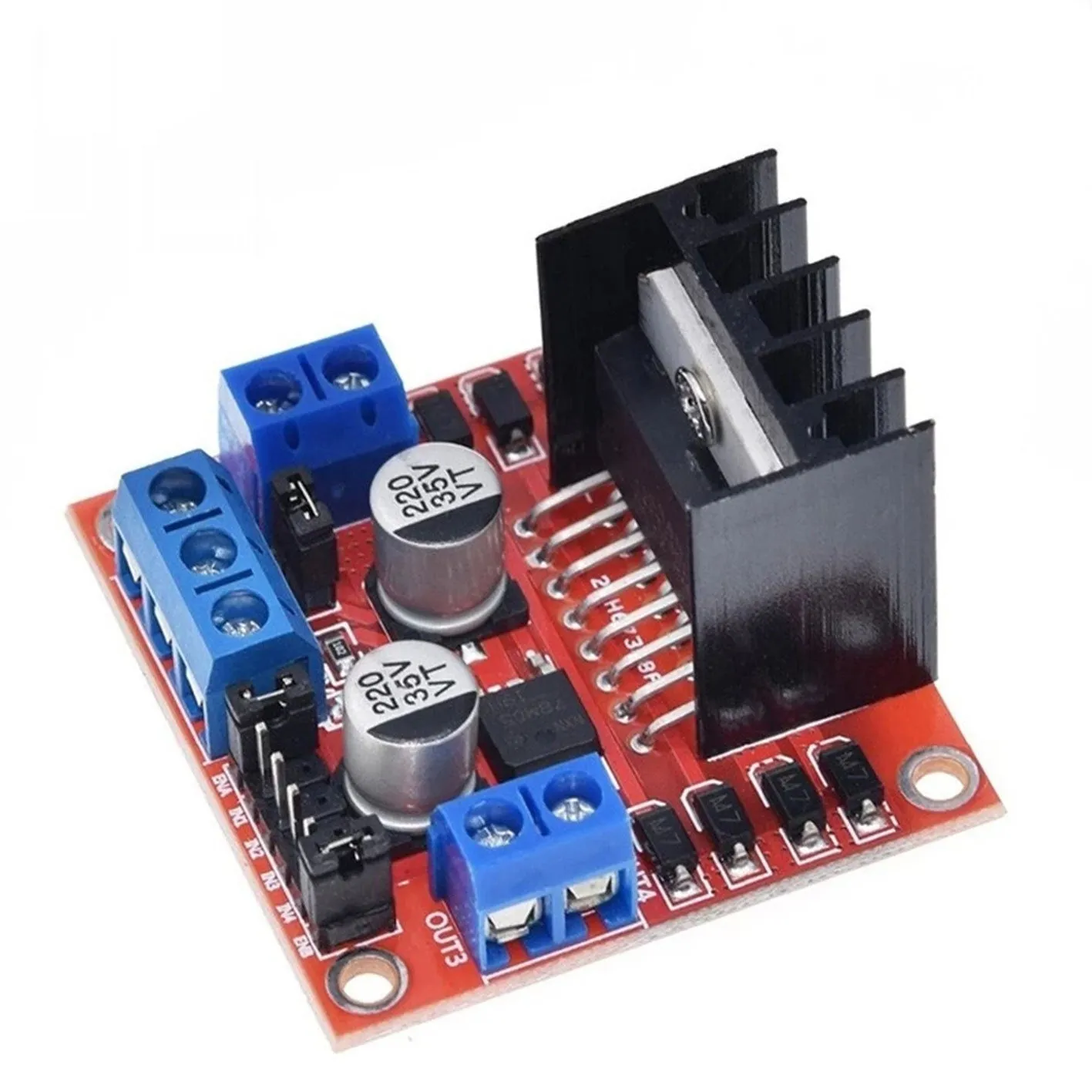
The L298N motor driver module is a fundamental component for electronics hobbyists, students, and robotics enthusiasts building moving projects. It serves as an intermediary power stage, allowing low-current signals from a microcontroller like an Arduino or Raspberry Pi to safely control the higher current demands of DC motors and stepper motors. This specific module centres on the widely used L298N integrated circuit, configured as a dual full-bridge driver. Its primary function is to enable bidirectional control of two DC motors independently or to operate a single bipolar stepper motor by providing the necessary coil energisation sequences. With a driving voltage range spanning from 5V to a maximum of 35V, it accommodates a variety of power sources, from USB power banks to larger battery packs, making it a versatile choice for wheeled robots, robotic arms, and other automated mechanisms.
Features and Construction
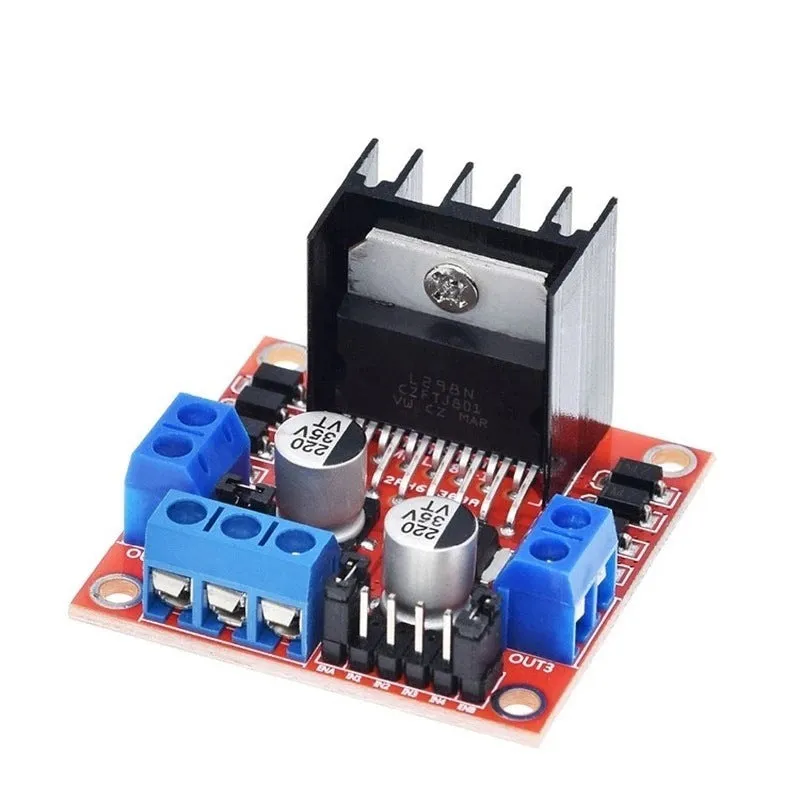
This module's design and specifications are defined by the capabilities of the L298N chip and its supporting circuitry. The board provides a practical and accessible implementation of the chip's features for prototype and project work.
Material and Build
The module is built on a standard fibreglass printed circuit board (PCB) that hosts the L298N chip and other necessary electronic components. These include resistors for current sensing, capacitors for power supply smoothing and stability, and connectors for power and signal input. The L298N chip itself is a monolithic integrated circuit in a multiwatt15 package, designed for high voltage and high current switching applications. The board's construction is focused on functionality, providing exposed screw terminals or pin headers (depending on the specific variant) for reliable electrical connections to motors and power supplies, which is essential for project robustness.
Size and Practical Fit
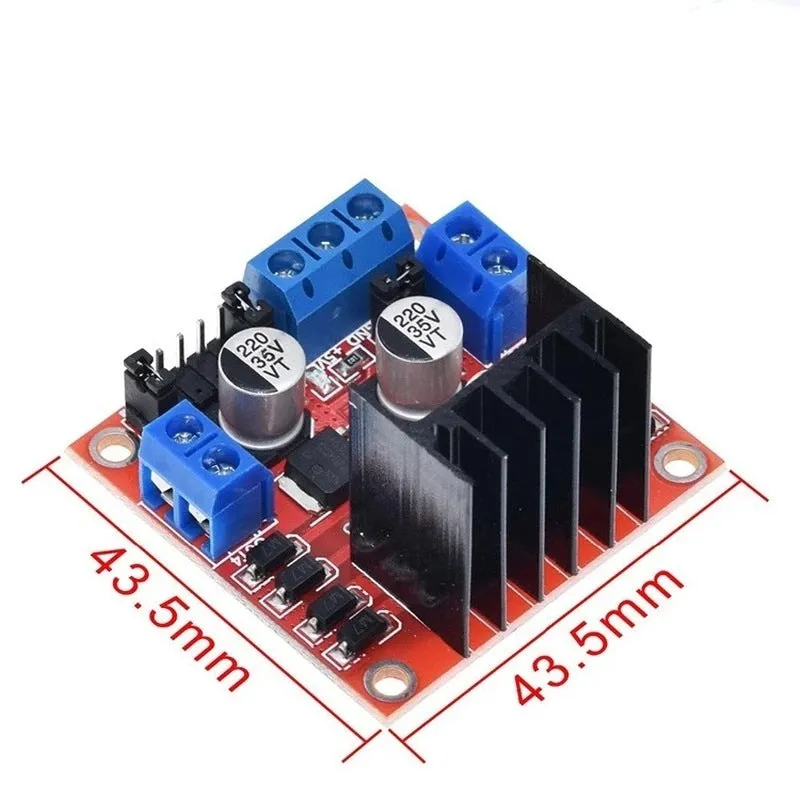
With peripheral dimensions of 43 millimetres in length, 43 millimetres in width, and a height of 27 millimetres, the module presents a compact footprint. This size allows it to be integrated into the chassis of small mobile robots, intelligent vehicle platforms, and other compact electronics projects without consuming excessive space. Its total mass of 30 grams adds minimal weight, which can be a consideration for battery-powered or flying projects. The physical layout typically groups motor output terminals on one side and logic/power input terminals on another, aiding in organised wiring within a project enclosure.
Uses and Placement
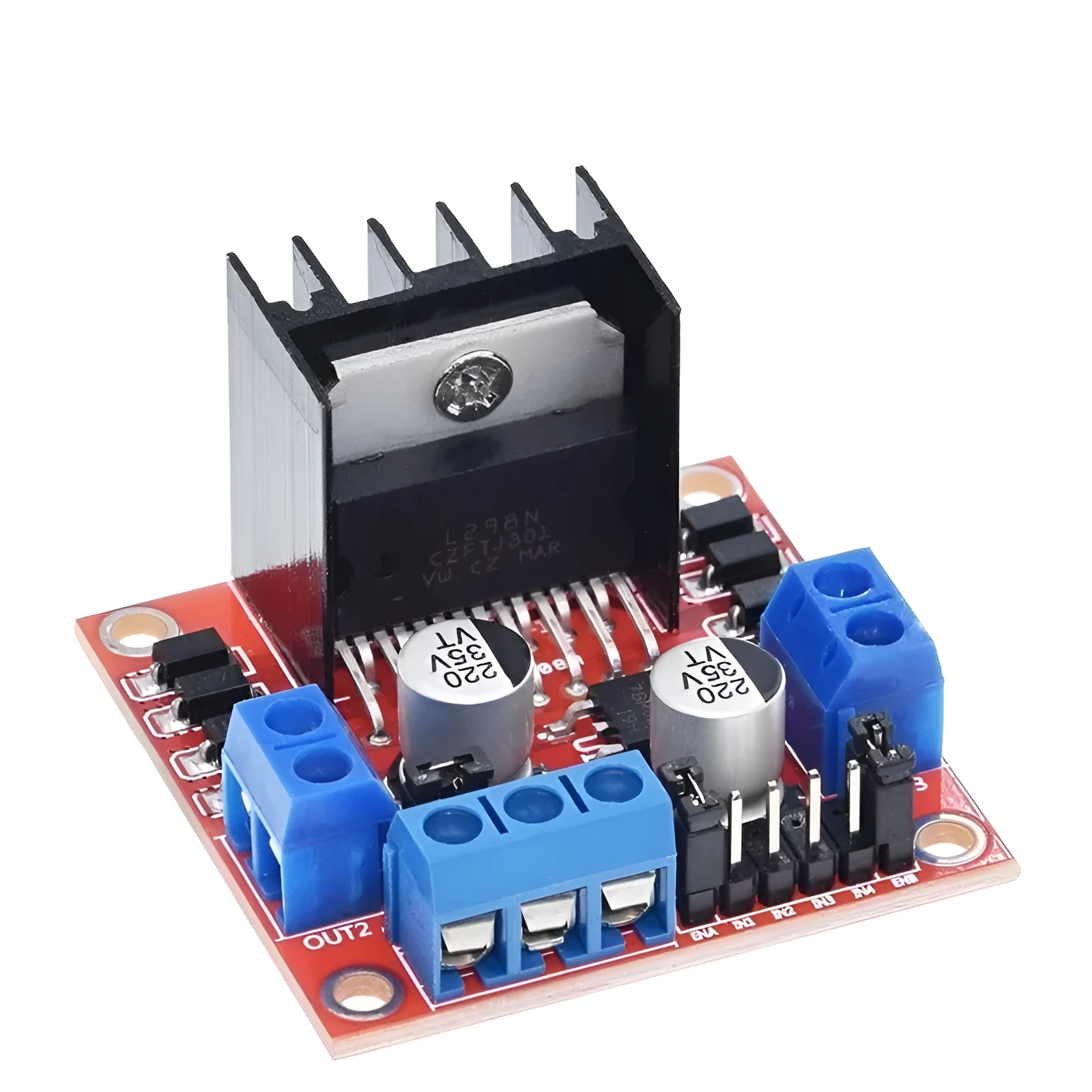
The L298N module's electrical characteristics dictate its ideal applications and how it should be incorporated into a system. Its parameters make it suited for specific project scales and types.
Event or Professional Use
In educational, competitive, or demonstration settings like robotics clubs, science fairs, or university labs, this module is a reliable workhorse. Its defined specification of a 2A maximum continuous current per bridge makes it suitable for driving small gearmotors commonly found in kit-based robots, line-following vehicles, and simple robotic arms used in such environments. The clear logic voltage requirement of 5V simplifies integration with the educational microcontrollers that are standard in these settings. The wide 5V-35V driving voltage range allows teams to experiment with different battery configurations for balancing runtime and power.
Everyday Home Use
For the home DIY enthusiast or maker, this module is a key part of building personalised automation. It can be used to motorise small home projects such as automated window blinds, a motorised camera slider for photography, or a simple plotter. Its capability to control a bipolar stepper motor also opens possibilities for more precise positional control in projects like a 3D printer axis driver (for very small printers), a clock mechanism, or a custom display. The module's straightforward interface—using basic digital output pins from a hobbyist microcontroller—means it can be deployed in projects without requiring deep expertise in power electronics design.
Benefits and Buying Value
The value of this motor driver lies in its specific combination of specifications, which solve common problems in hobbyist electronics, and its role as a reusable, fundamental component.
Reuse and Low Maintenance
As a solid-state electronic module, it requires no mechanical maintenance. Its primary wear component is the L298N chip, which is rated for the stated current and temperature ranges. When used within its specifications—particularly by ensuring adequate heat sinking if operating near the 2A limit—the module can be used across multiple projects over time. There are no moving parts to wear out or lubricate. If a project is disassembled, the module can be desoldered or unplugged and stored for future use, representing a durable investment in one's electronics toolkit.
Why Choose This Product
This L298N module is chosen for its defined and well-understood parameters. The explicit 2A per channel current rating informs motor selection, preventing damage from overloading. The clear 5V logic voltage requirement avoids compatibility issues with 3.3V microcontrollers unless a logic level converter is used. The wide 5V-35V motor supply range offers flexibility not found on some lower-voltage drivers. For those following online tutorials or established robot designs, the L298N is a standard component with vast community support, troubleshooting guides, and code libraries available, which reduces the learning curve and project risk compared to a more obscure driver board.